 Sticky logo
 Search


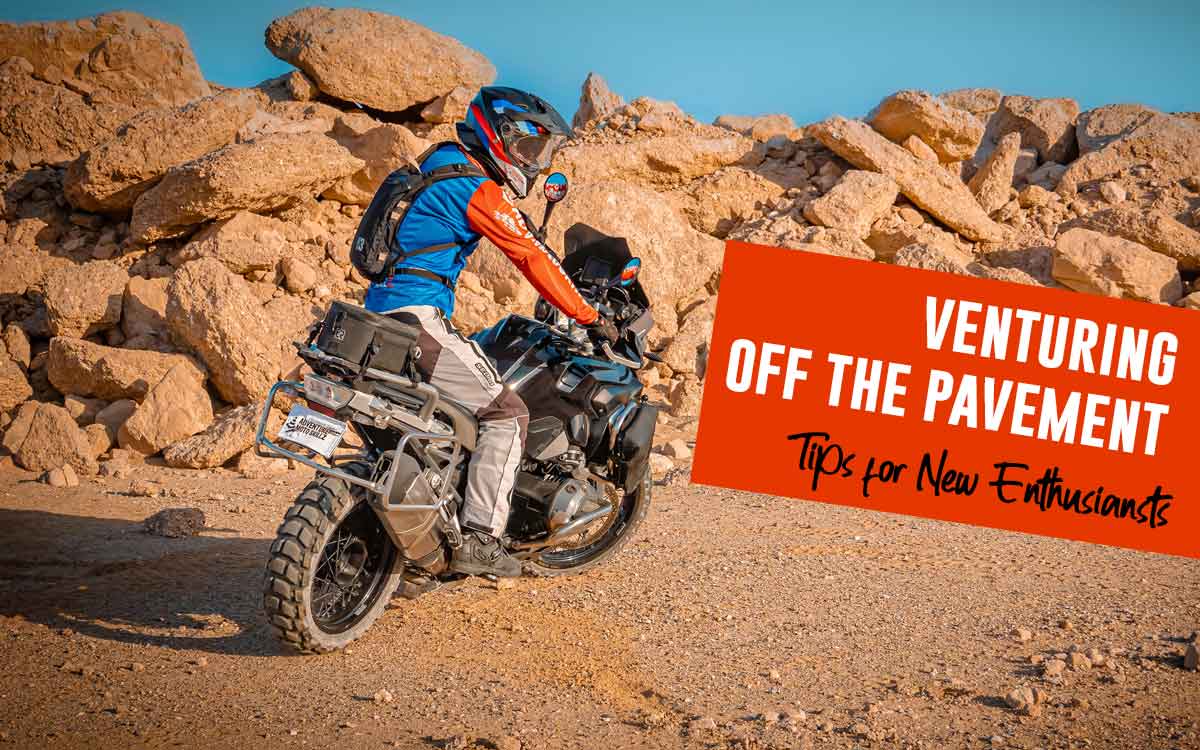
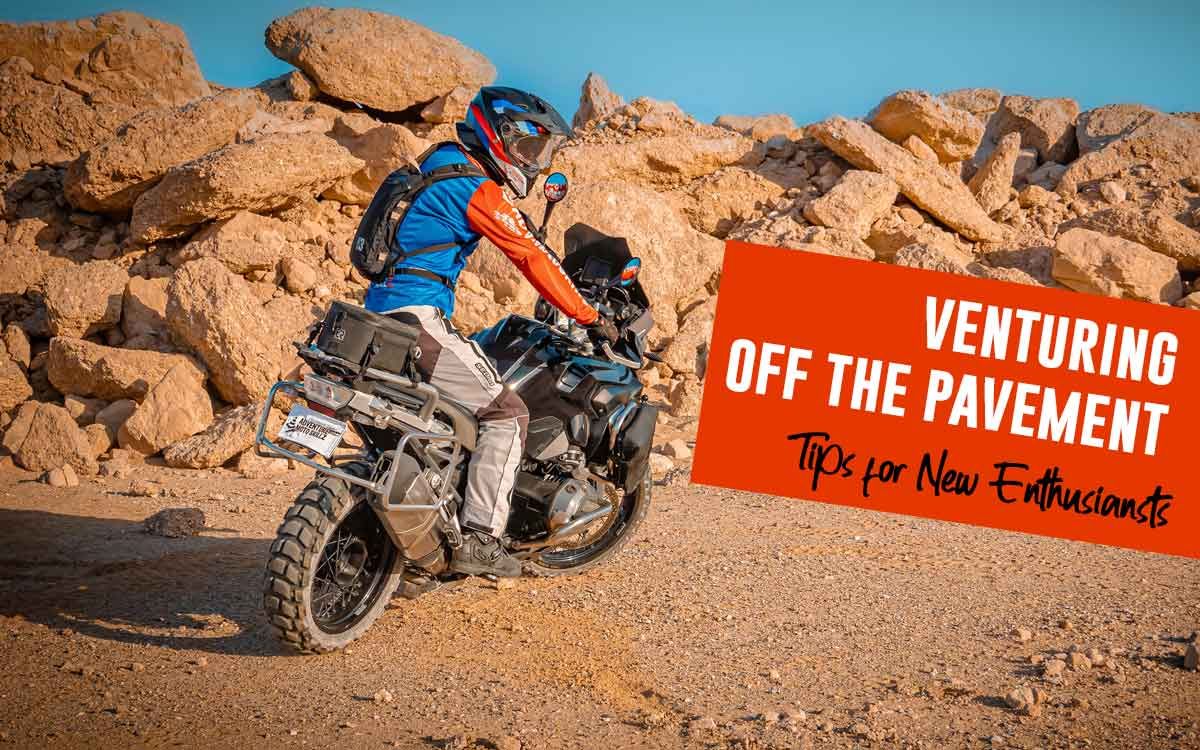
Starting your journey as an adventure or dual-sport rider means there’s much to learn. It’s smart not to rush into this adventure without getting ready first. Spending time to learn the basics is important for creating a strong base before venturing out on those off-road trails. Here are three key points to level up your riding game and help keep you safe and self-assured when dealing with the challenging terrains common to adventure and dual-sport riding.
• Gear Up for Safety and Confidence
One of the cardinal rules in motorcycling is, “All the Gear, All the Time” (ATGATT). This philosophy underscores the need to suit up with appropriate safety gear, not just for you but for your bike, too. Spend time investigating the best high-quality gear your budget will allow. This includes a DOT/ECE-approved helmet, gloves, boots, body armor, and durable riding apparel—this is non-negotiable.
While you’re at it, be certain to try on the gear to ensure proper fit before venturing off on that first ride. Bend, squat, and move around to make sure the protective padding is doing its job and will stay in place. I like to say it’s important to protect all your pointy bits (head, elbows, shoulder, knees, and toes). Don’t forget to cover your chest, back, and hips, too.
Your motorcycle will benefit from similar protection, with engine and lever guards for when unexpected tip-overs happen. Investing a little more money can wind up saving a lot of money down the road. Falling is a part of adventure/dual-sport riding; it happens to everyone. Experienced riders trying to push their skills to the next level will frequently fall in the learning process. A tip-over can also occur innocently by something as simple as a misplaced foot when stopping on uneven terrain.
When (not “if”) you experience a mishap and realize your safety gear has kept both you and your motorcycle safe, it’ll boost self-confidence and keep you excited for the next adventure.
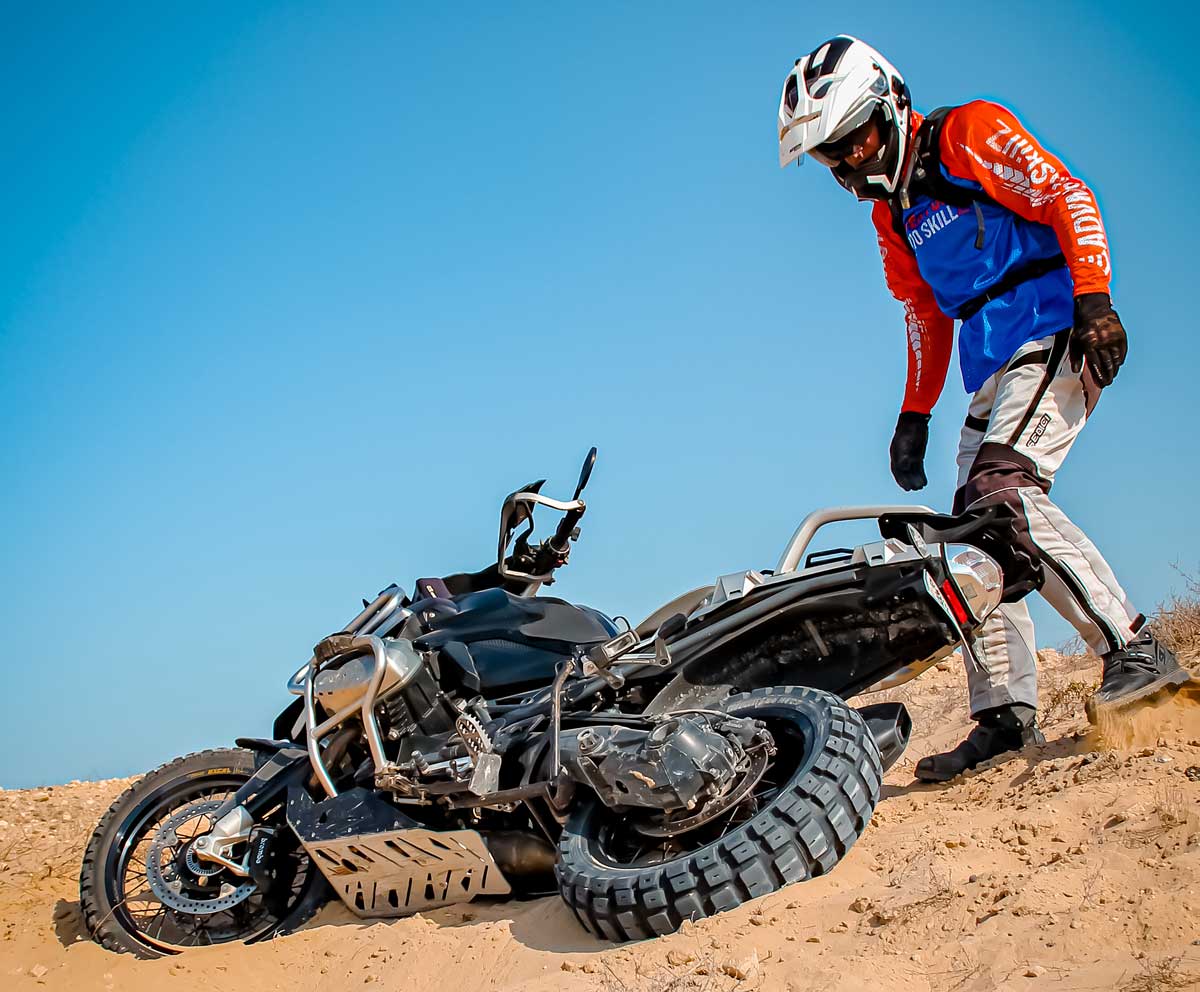 Cushioned with protective equipment, riders can survive a fall unscathed, ready to resume the adventure with confidence.
• Proper Bike Fitment and Ergonomics
It’s crucial to adjust a motorcycle’s controls to fit your body size and riding style. If you’re not mechanically inclined, be sure to seek assistance with tweaking the handlebars, footpegs, and controls to fit your body. This step really amplifies how well you can manage your bike. When your bike is perfectly tailored to fit you, the handling becomes smoother, allowing for quicker reaction times and more precise input. Fatigue on prolonged rides diminishes, transforming every journey into an upgraded experience.
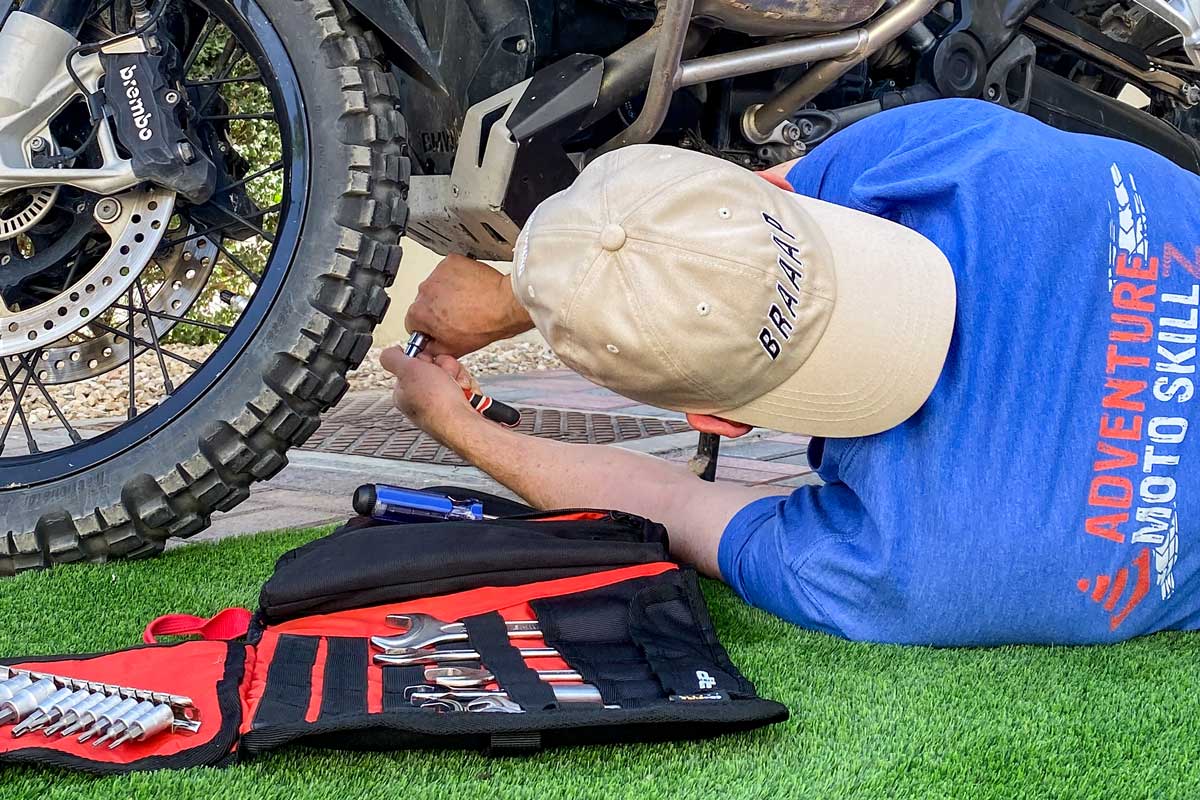 Prepping for the unknown by protecting your bike for the journey ahead is essential for off-road adventures.
For adventure and dual-sport riding, configuring your setup to accommodate both seated and standing positions is essential. And your controls must be within comfortable reach in either option. This might involve things like a slight upward tilt of the handlebars, enhancing accessibility while standing. Riders who predominantly ride paved roads may opt to stop and adjust their setup when they come to a section of challenging terrain—and then reset it afterward for optimal on-road comfort. Conversely, some riders prefer finding a middle ground that ensures comfort across varying terrain.
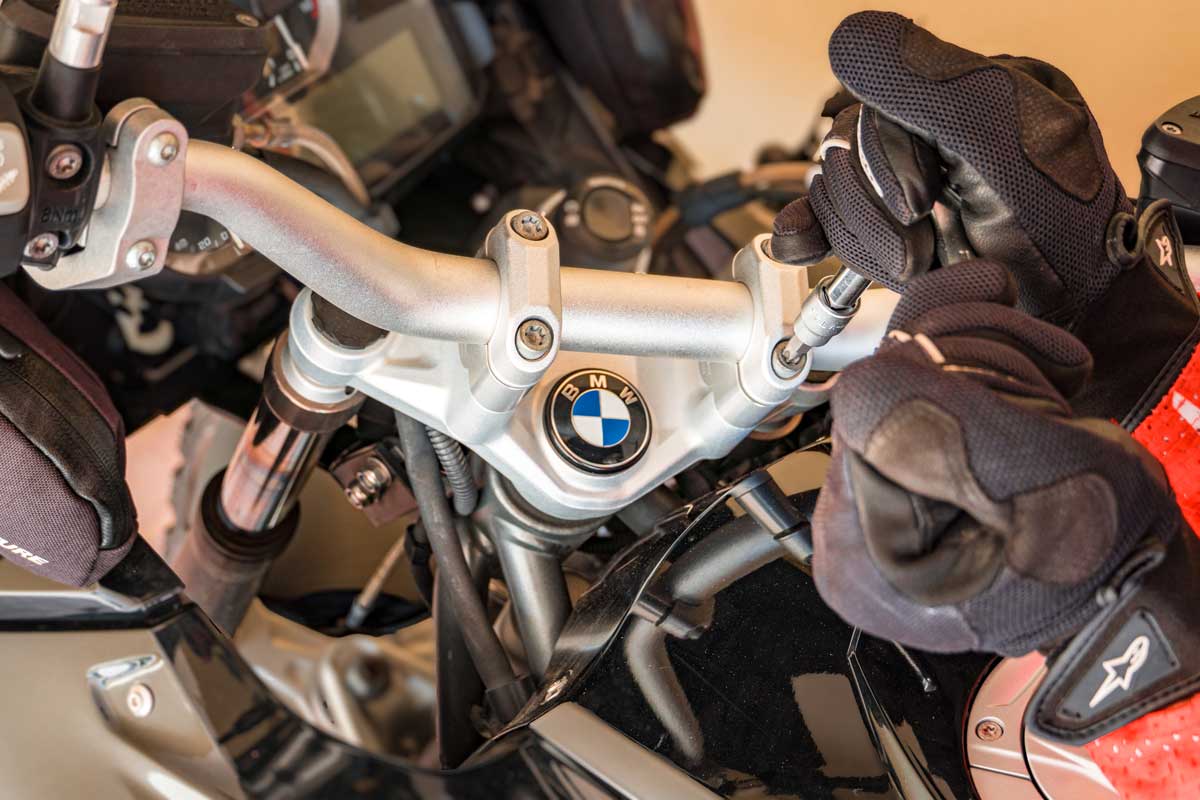 Customizing handlebars ensures comfort and control on varied terrain.
So, make sure to tweak your bike’s fitment before you start heading out to those trails.
• Slow Riding = Smooth Riding
Many riders are overly excited to get out on the roads or trails. However, in adventure/dual-sport riding, dedicating time to master the art of slow riding is a crucial skill that distinguishes novices from experienced veterans. Mastering the art of smooth, well-balanced, slow-speed motorcycling calls for a finely tuned balance involving adept clutch handling, judicious use of brakes, and nuanced throttle adjustments. As you polish these techniques, your biking finesse will reach new heights, particularly useful when navigating challenging landscapes.
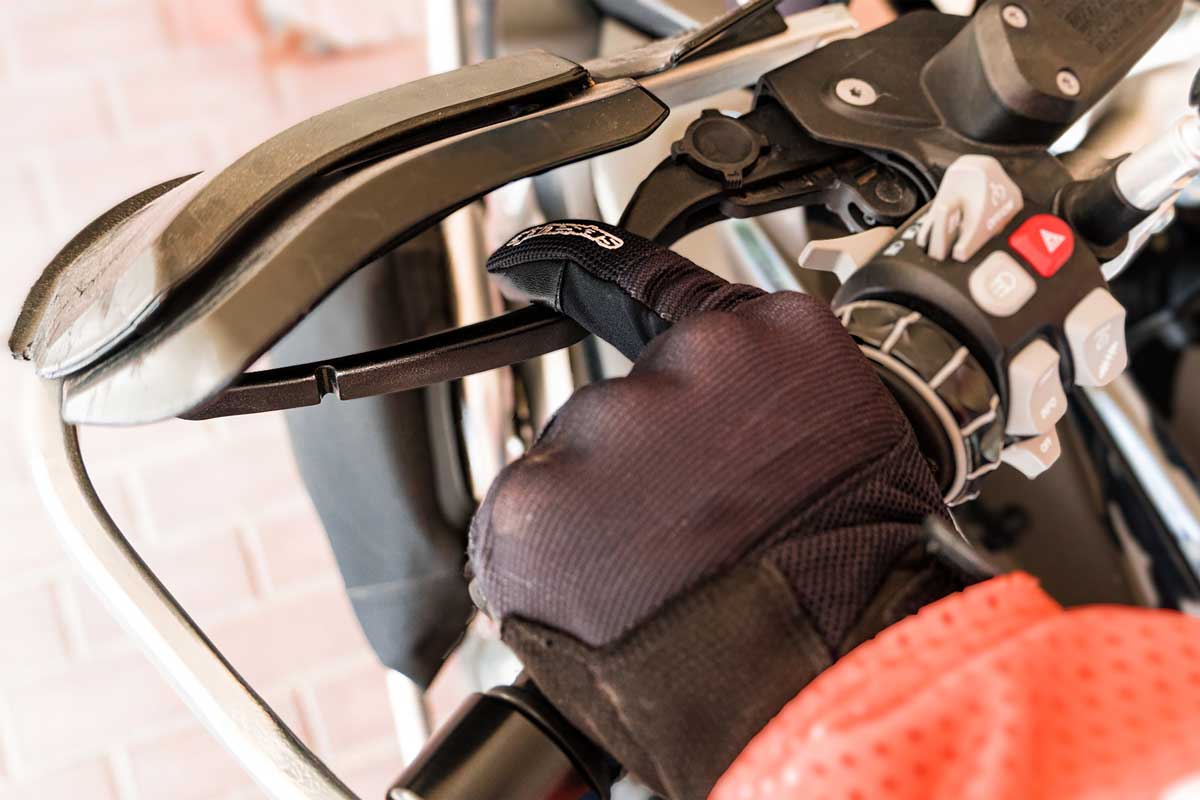 Learning to ride slow isn’t just about pace; it’s about precision and control.
Getting ready for your first off-road or dual-sport bike ride? Remember, safety gear and making sure your bike fits you well are key. Focus on staying safe and ensuring your bike has the right fitment for you. Practicing how to ride slowly will improve your experience. Anyone can ride fast, but it takes skills to ride slow.
The best part? All of this leads to an amazing adventure on two wheels that’s not only safer but also way more enjoyable!
 ADVMotoSkillZ Coach Mike Carroll is an off-road motorcycling enthusiast and instructor. Once a Harley rider, Mike now thrives on off-road adventures with his BMW R1200GS. He is a Certified Enduro Action Team Off-Road Instructor and channels his passion into ADVMotoSkillZ. Mike and his wife, Kristen, co-founded ADVMotoSkillZ and enjoy helping riders improve their off-road capabilities. AdvMotoSkills.com | YouTube @advmotoskillz | Instagram @advmotoskillz

Comments